
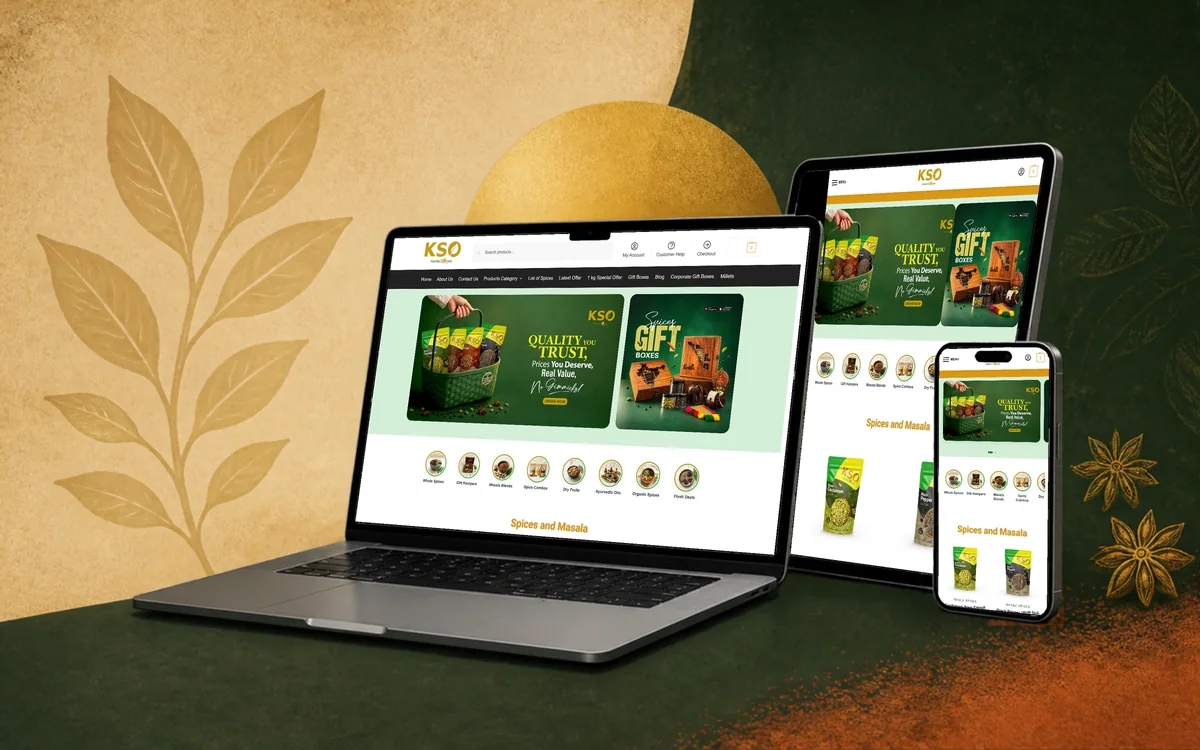
Kerala Spices Online
Edge caching, database tuning, security and a full UI/UX and SEO overhaul for a high-SKU WooCommerce spice store, partnered since January 2022.
Read the case studyA daily command centre that turns six data feeds into revenue-leakage dashboards, AI action plans and automated reports across 47+ hotels and 8 OTAs.
When a hotel’s room shows up cheaper on Booking.com or Expedia than on the hotel’s own website, guests book through the online travel agency (OTA) and the hotel pays commission on a booking it could have taken directly. Across dozens of properties, these rate parity gaps add up to significant lost revenue.
MetaHotels already collected the raw data - daily rate-shopping exports, price-match widget logs, booking-funnel events, Google Hotel Ads parity checks and guest review snapshots - but it arrived as large CSV files in cloud storage that nobody could act on at that scale.
KloudBoy designed and built Meta Gap Analysis (internally Magic Parity), a rate parity intelligence platform. It ingests every feed automatically each day, turns raw rows into revenue-leakage metrics and presents them in focused dashboards for leadership and hotel managers.
Revenue managers needed four answers, quickly, across every property.
Which hotels, which OTAs, which countries and which devices.
Revenue leakage in the group’s own currency, not just parity percentages.
Which pattern is behind each loss: mobile-only disparity, lead time, geo pricing, stay dates or OTA undercutting.
A clear next step for each hotel, delivered to the people responsible.
A daily data pipeline feeding focused dashboards, AI action plans and automated reports.
Pulls website parity, price-match reports, guest funnel, hotel services, Google Hotel Ads parity and guest reviews from Azure Blob Storage every day.
Validates file pairs, matches each row to the right hotel, skips duplicates safely and keeps a full audit log of every ingestion batch.
Converts every price into a common currency at ingestion, using exchange rates synced nightly.
Admins can re-run, backfill, download per-hotel data or clean up data without developer involvement.
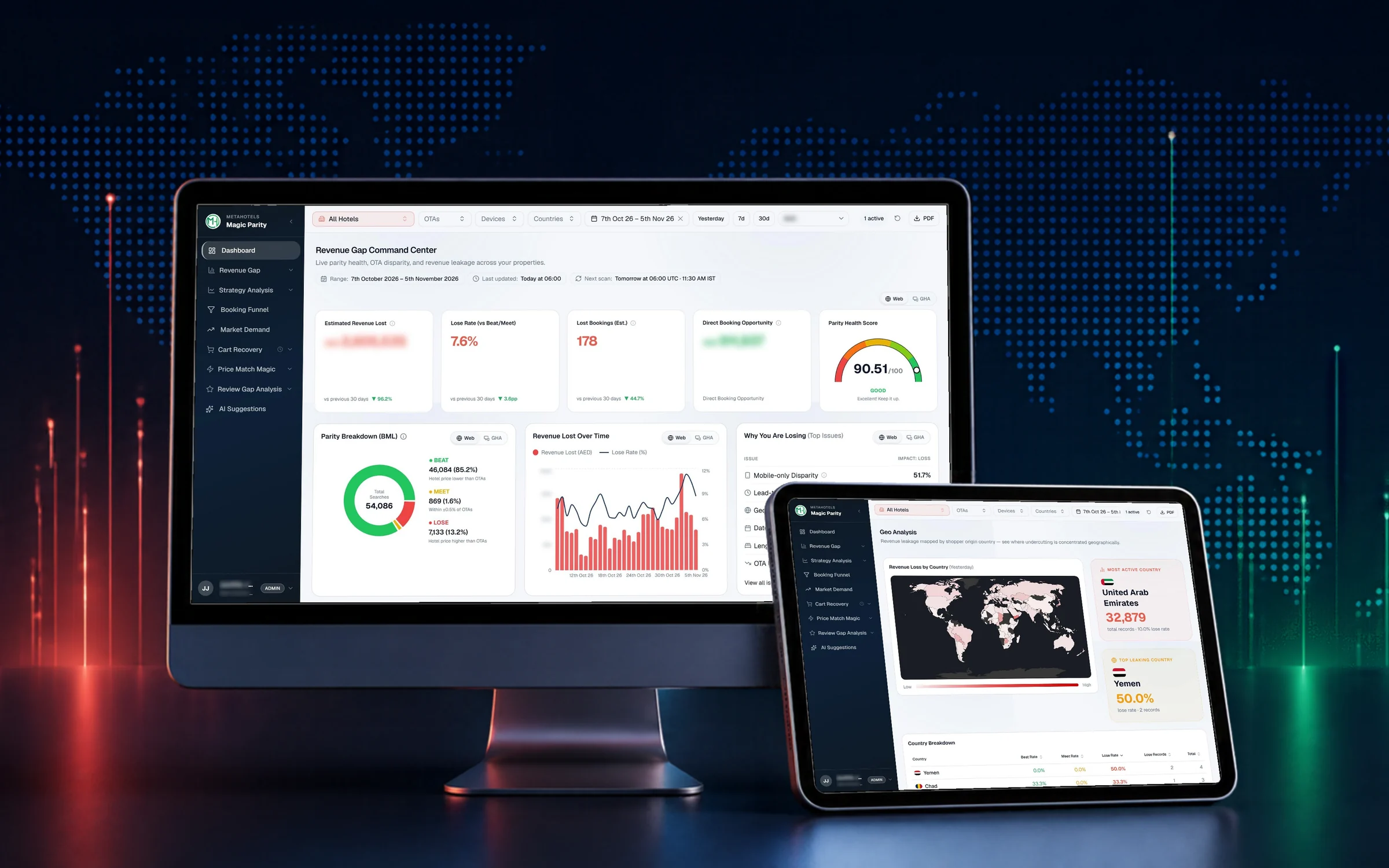
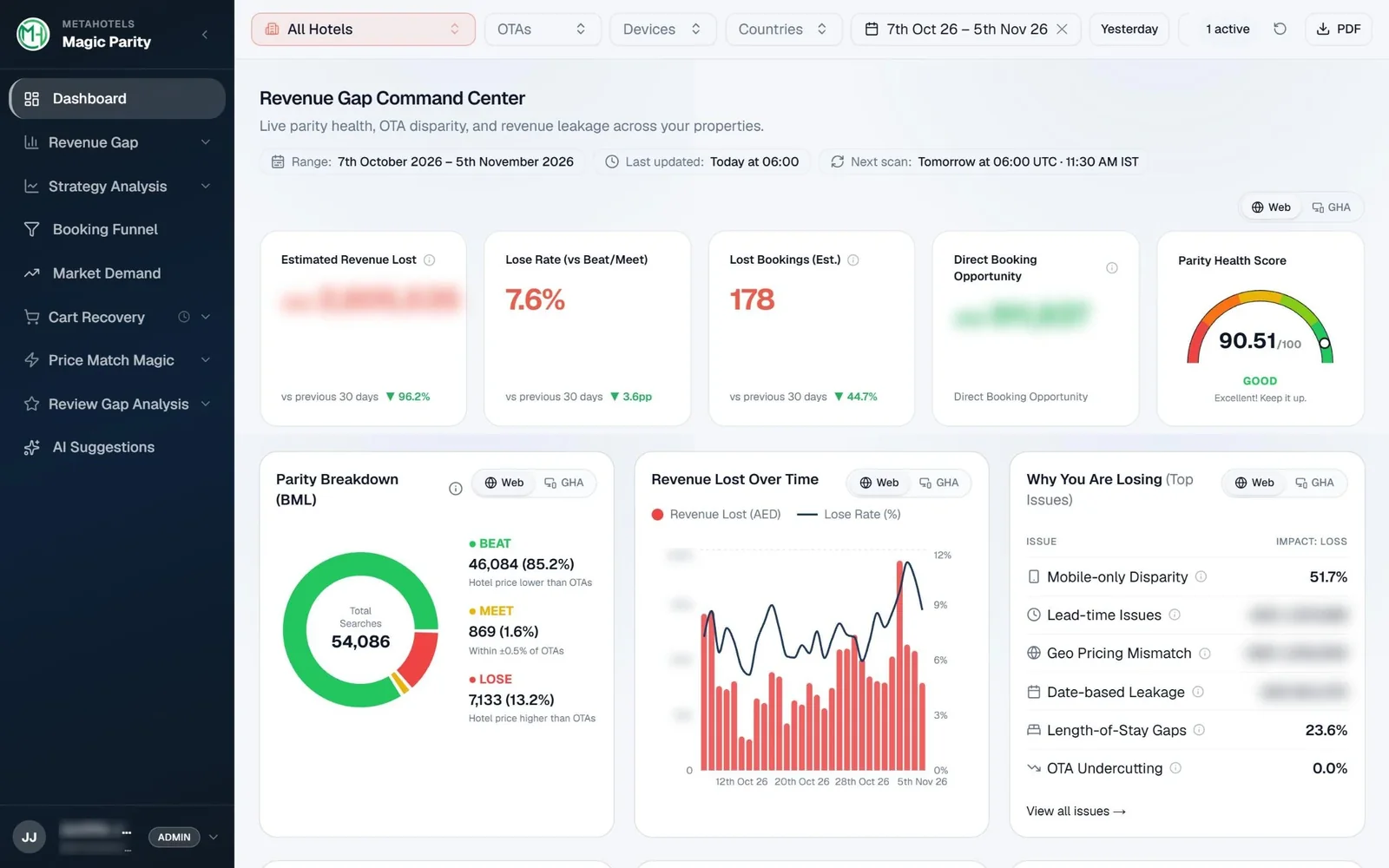
The homepage after login. One screen answers "how are we doing right now?"
Estimated revenue lost, lost bookings and parity rates at a glance.
Is the direct price cheaper than, equal to or higher than the OTA’s? Plus revenue lost over time, the root causes behind losses, and the top leaking countries and devices.
The biggest loss, the top offending OTA, alerts and recommended actions. Each card switches independently between Website and Google Hotel Ads data.
Parity Overview, Top Offenders, Geo Analysis on an interactive world map, Device Analysis, Date & Demand, Traveller Behaviour heatmaps and a Disparity Explorer with evidence screenshots, each for both Website and Google Hotel Ads parity.
Period-over-period deltas, trend lines and breakdowns by channel, device and country, each with its revenue impact.
Lose rate set against demand, to separate harmless losses from costly ones.
Analytics for the hotel’s on-site price-match widget: match success rate, discount levels by OTA, discount risk bands, matches against conversions, and a searchable log with side-by-side screenshots of the OTA price and the hotel’s own price.
Tracks guest sessions from the booking engine to checkout to a confirmed booking, with drop-off at each step, conversion rate per hotel and daily trends.
Upload and preview of Amadeus market occupancy forecasts per city, charted against a forward window, so revenue teams see demand coming before it arrives.
Six pages built on guest review data.
Overall and category scores, per-source ratings (Google, TripAdvisor, OTAs), topic sentiment and trends.
A rules-based insight engine explains each chart: what to fix first, what is slipping and what is worth marketing.
Data anomalies are flagged, so a change in data sources is never mistaken for a real change in guest sentiment.
Pick one hotel and a date range, and the platform assembles its parity, price-match, funnel and review data into one context and streams prioritised, practical actions across Pricing & Parity, Direct Booking, SEO, Paid Ads and Reputation - each with an impact and effort rating and a way to measure success.
HTML email reports to hotel managers every day, with a delivery log, plus on-demand reports for any hotel.
Any dashboard page, with its current filters, in a print-ready layout. AI results can be copied, downloaded or exported to PDF too.
Indexes and queries were tuned against measurements from the live database rather than assumptions: review trend queries went from ~406 ms to ~5 ms, and booking-funnel queries were cut by nearly half.
Redis caches expensive metrics across requests and clears automatically after each ingestion. If Redis is unavailable, requests fall back to the database without errors.
Role-based access with hotel-level data scoping on every API, reCAPTCHA v3, per-IP rate limiting, account lockout after repeated failures, CSRF origin checks and short-lived sessions that log out automatically.
SMTP, thresholds, branding colours, AI settings and email schedules live in the database and are managed from an admin console. Users pick their own Beat / Meet / Lose colours and a light or dark theme.
The platform grew from v1 to v4.4 through additive database migrations, with no historical data lost along the way.
Screens from the live Meta Gap Analysis app. Hotel names, people and every rate are blurred to protect the client's data.
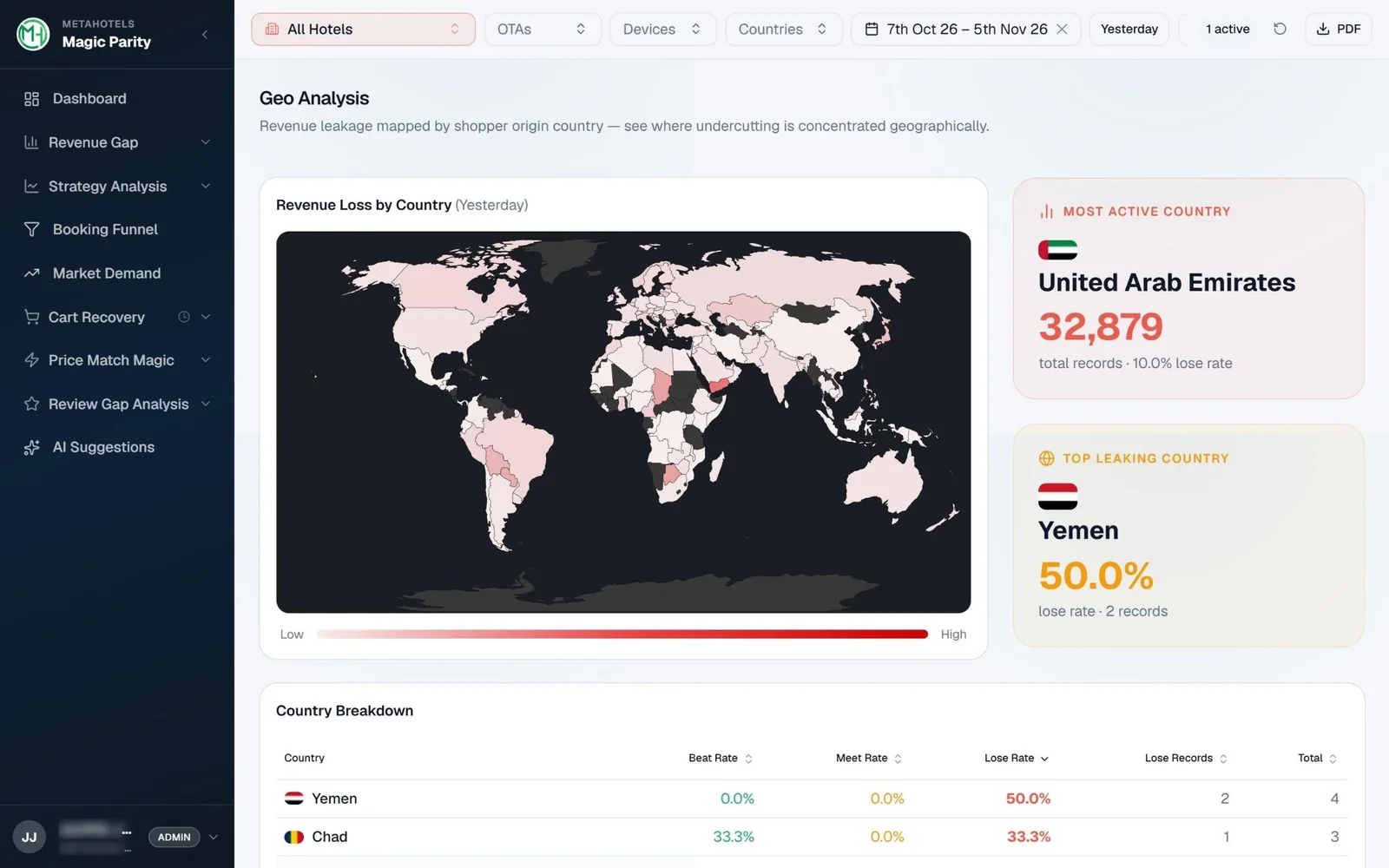
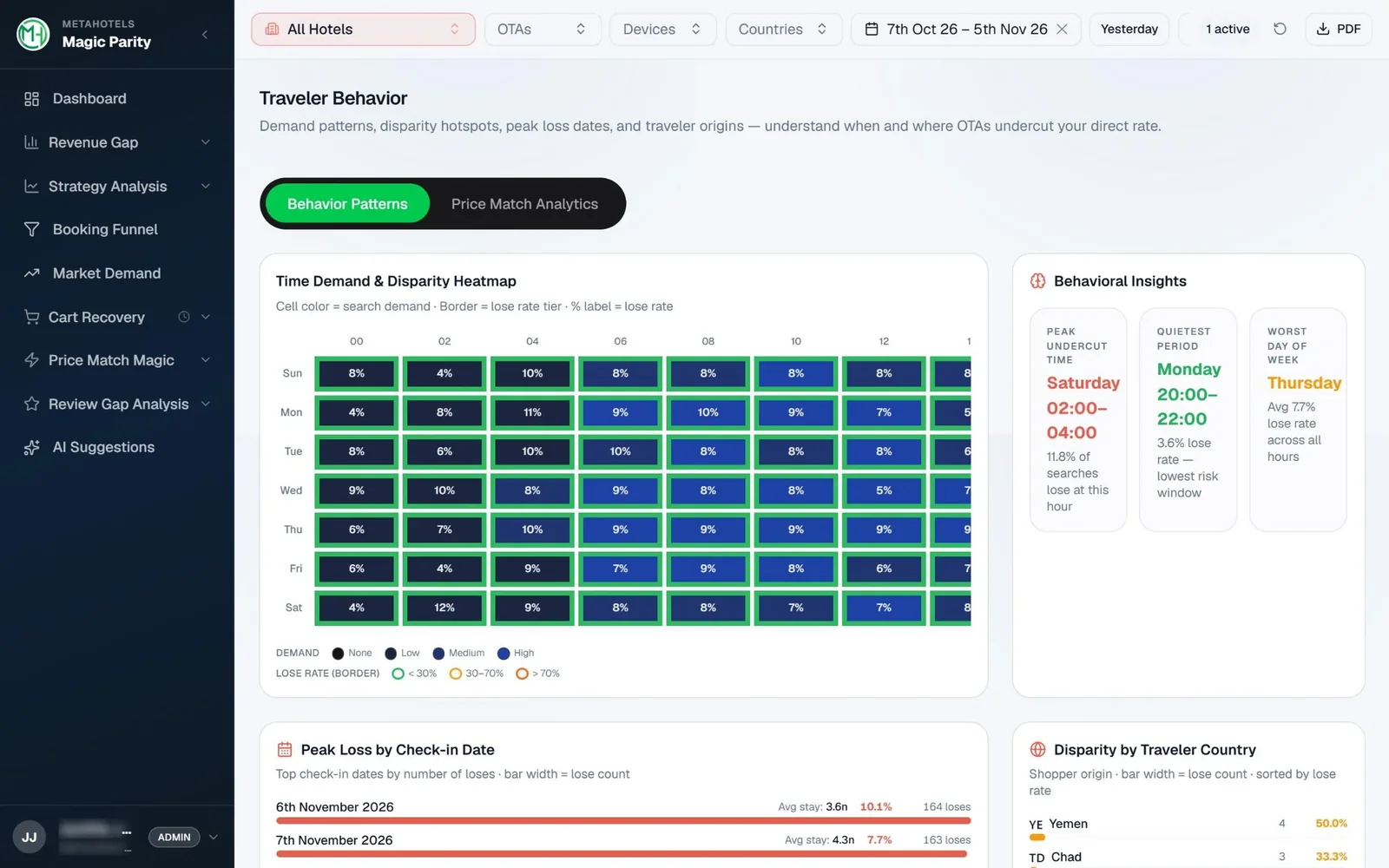
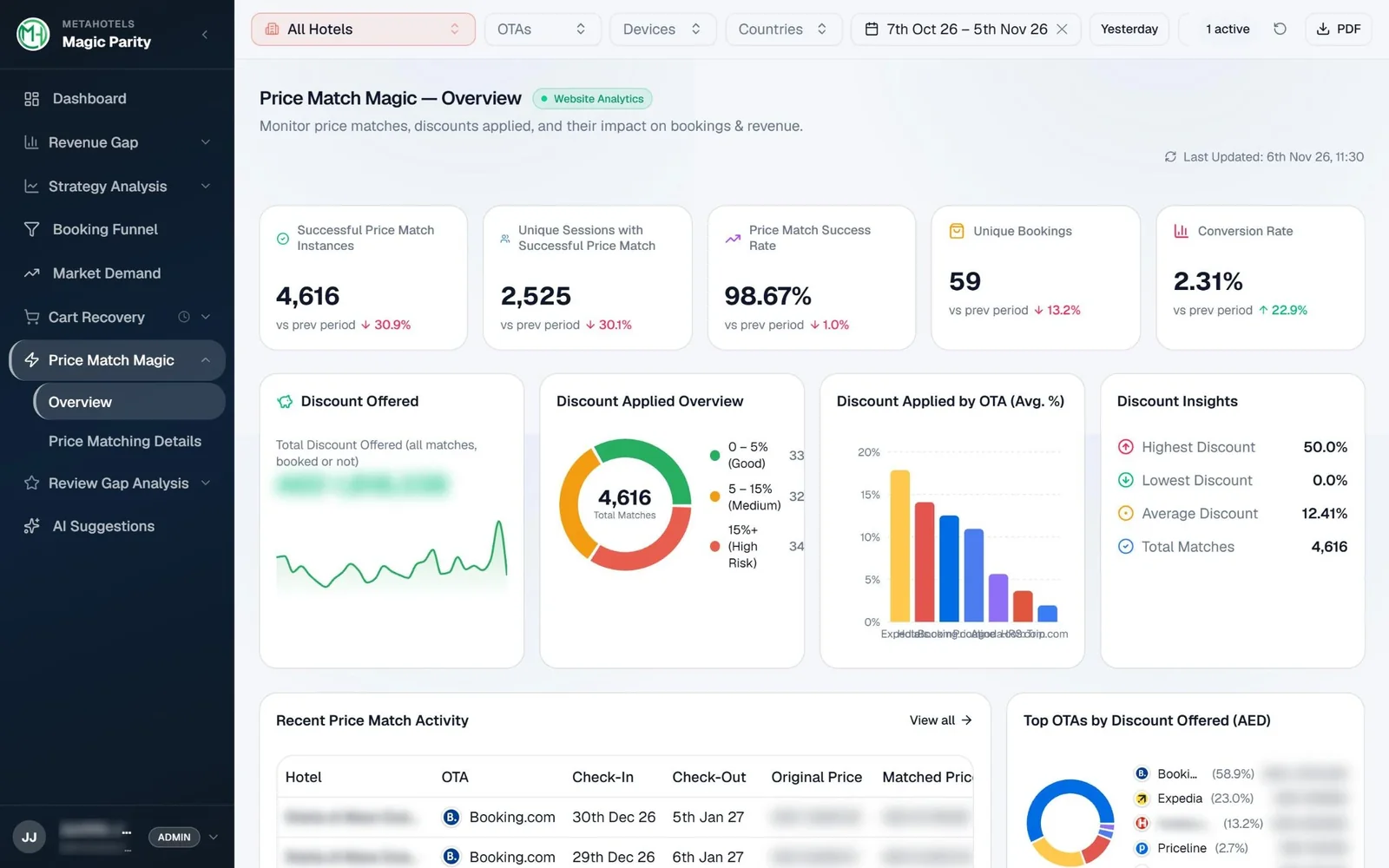
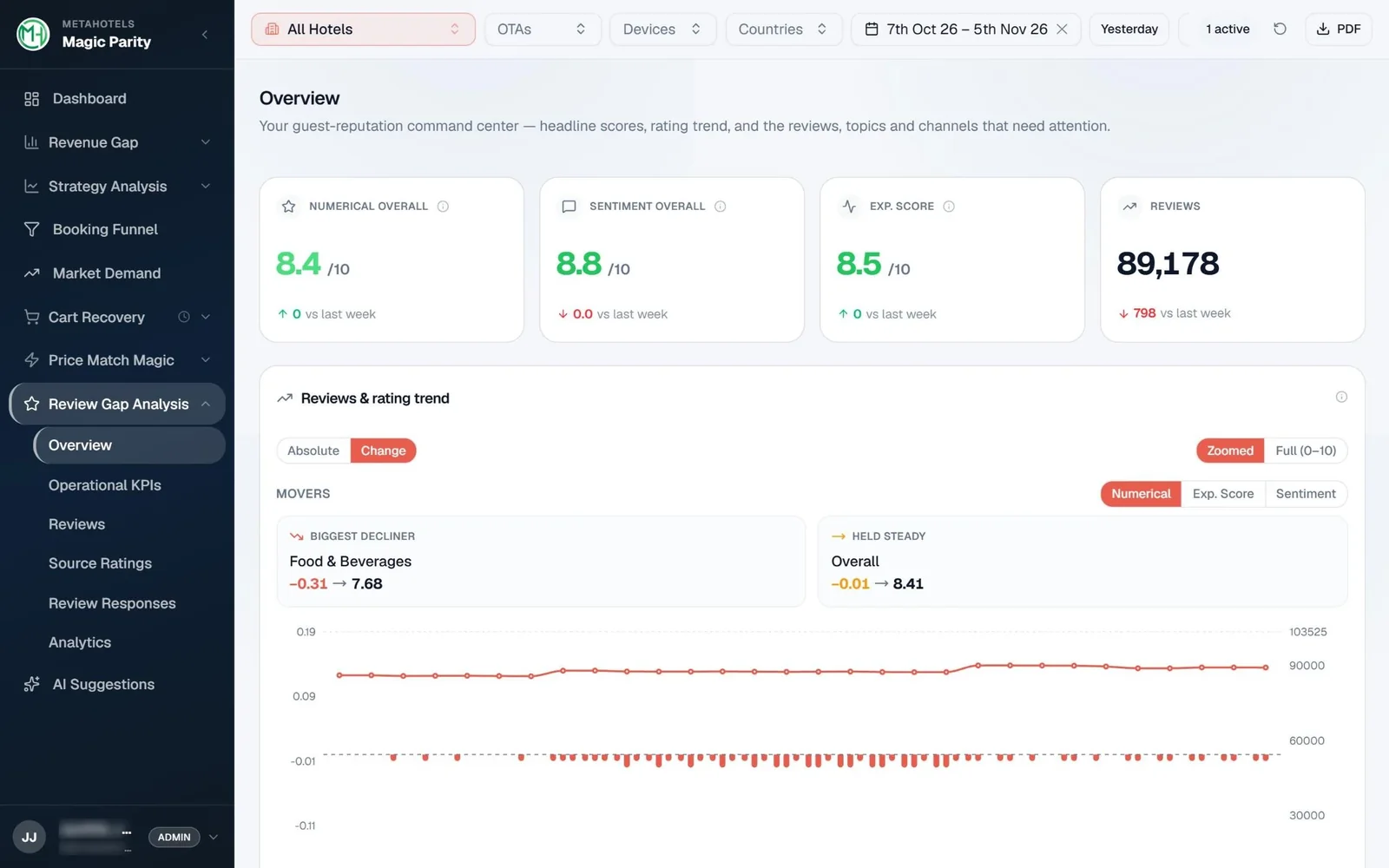
KloudBoy delivered Meta Gap Analysis for MetaHotels across product design, full-stack web development, data engineering, cloud integration and AI integration.
The platform replaced manual review of raw exports with one source of truth, and every insight now leads to a next step: AI action plans, plain-English chart explanations and daily emails to the people responsible. Data arrives, gets processed, cached and reported every day, and admins have self-service tools for the exceptions.
Edge caching, database tuning, security and a full UI/UX and SEO overhaul for a high-SKU WooCommerce spice store, partnered since January 2022.
Read the case studyTell us about your data feeds and the decisions they should drive. An engineer, not a salesperson, will reply.